Assigned-space violations
A resident or tenant reports someone in an assigned stall. Confirm the stall number, current assignment, temporary permissions, and the person authorized to request service through the property’s established process.
Kansas City private-property solutions
Protect resident, tenant, customer, employee, future-resident, and designated private spaces through clear rules and authorization.
For Apartments, offices, retailers, garages, HOAs, and private-property managers
Submitting an evaluation request does not authorize a tow or create a towing agreement.
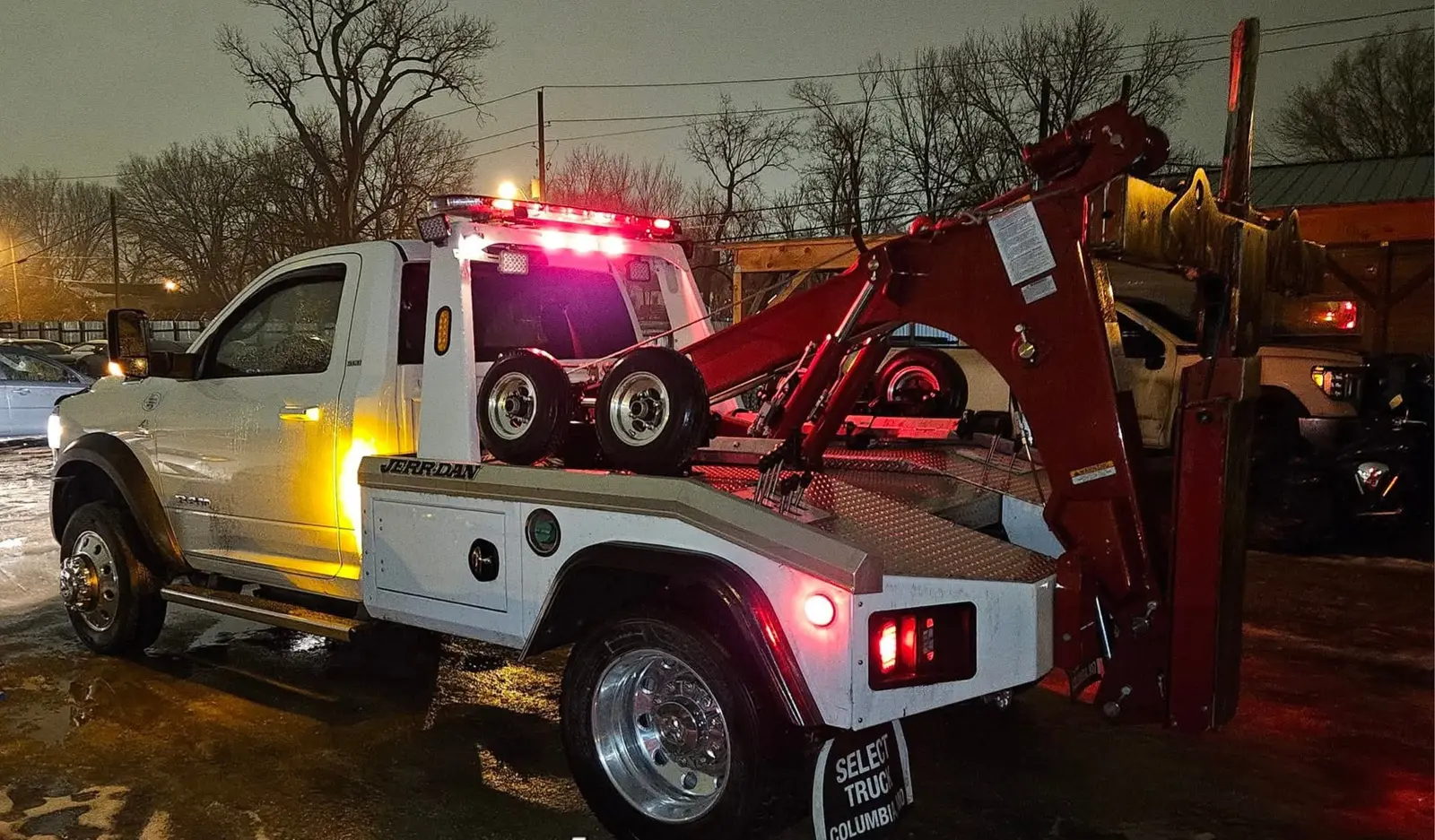
The property problem
An occupied reserved space may involve an outdated assignment, a temporary vehicle, a guest permission, or an unauthorized user. Make the verification steps clear to staff and residents before relying on an enforcement request.
A resident or tenant reports someone in an assigned stall. Confirm the stall number, current assignment, temporary permissions, and the person authorized to request service through the property’s established process.
A space intended for prospective residents is used by existing residents, visitors, or employees. Review the intended hours, sign wording, exceptions, and the leasing contact who confirms the concern.
Two tenants rely on different instructions or an old assignment. Management should reconcile the current record and any shared-use arrangement before choosing a service response.
A visitor occupies a resident, tenant, employee, or customer reservation. Define the visitor alternative, temporary permissions, warning choices, and reporting path so staff can apply the agreed procedure.
What the service includes
Private Party Impound begins with the property—not a one-size-fits-all enforcement rule. Your authorized team identifies the problems, selects procedures, and retains control over towing requests.
Designated-space examples
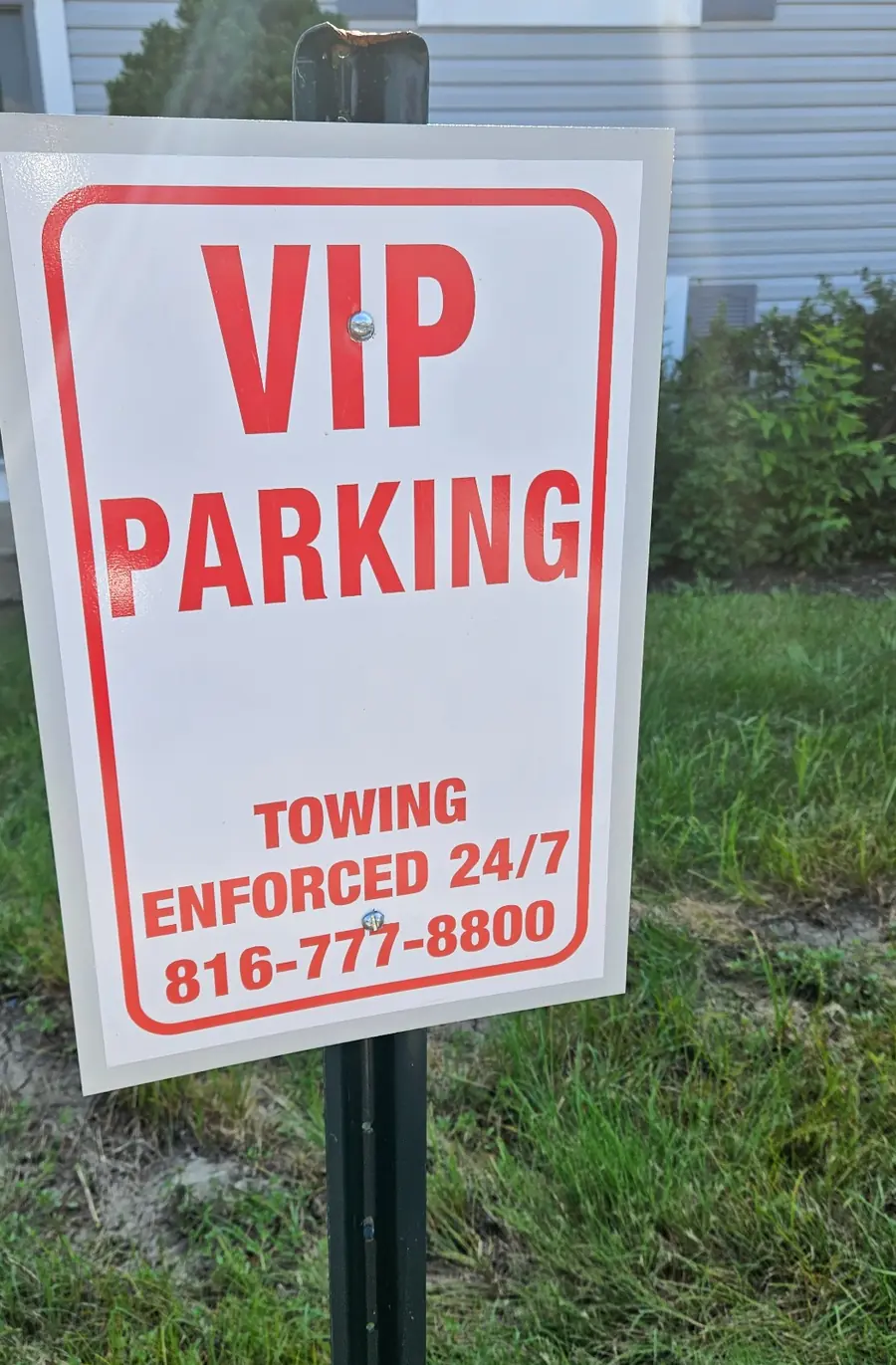
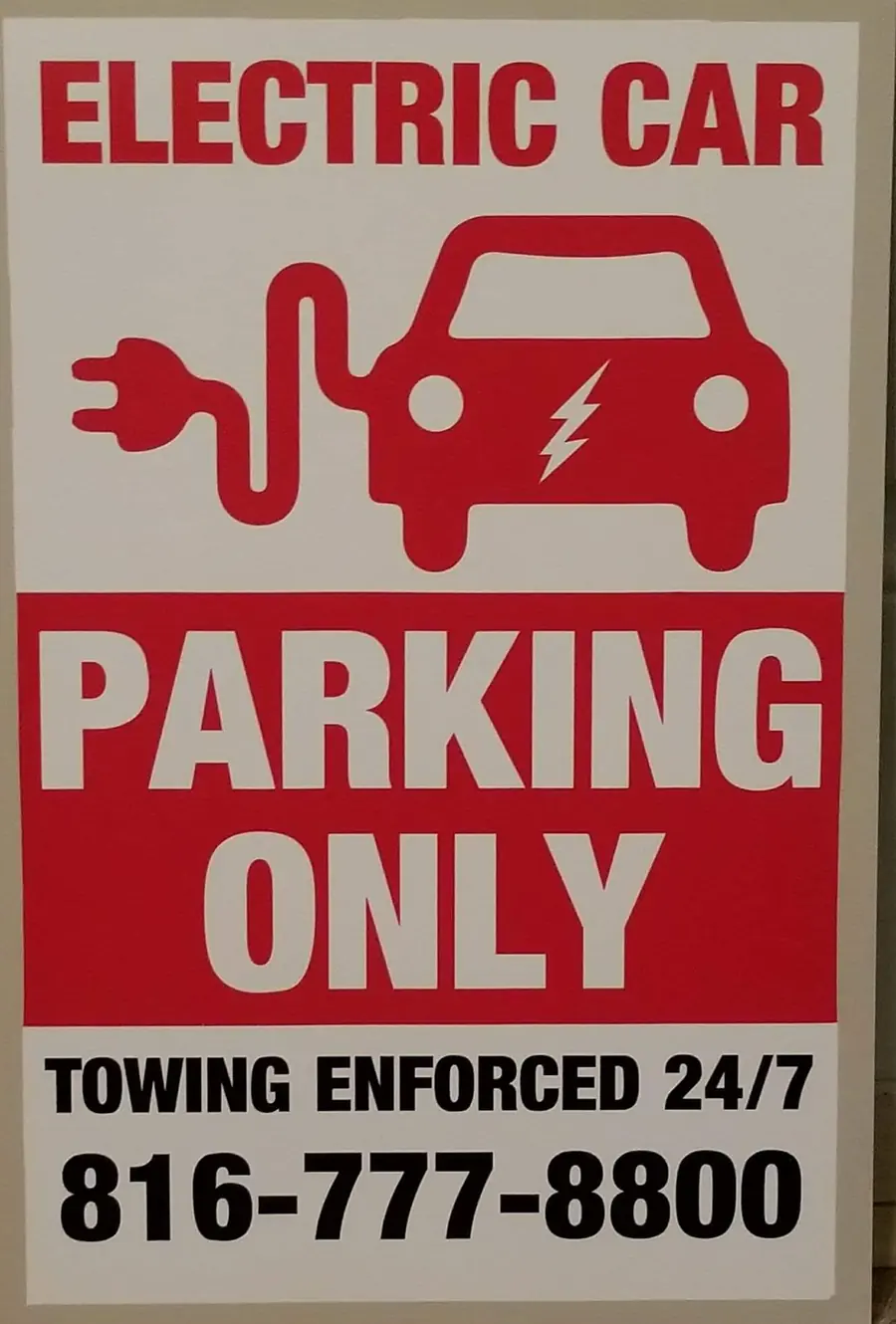
VIP, resident-designated, and electric-vehicle spaces require a clear plan for identification, authorization, exceptions, and periodic sign review. A sign by itself does not authorize every tow.
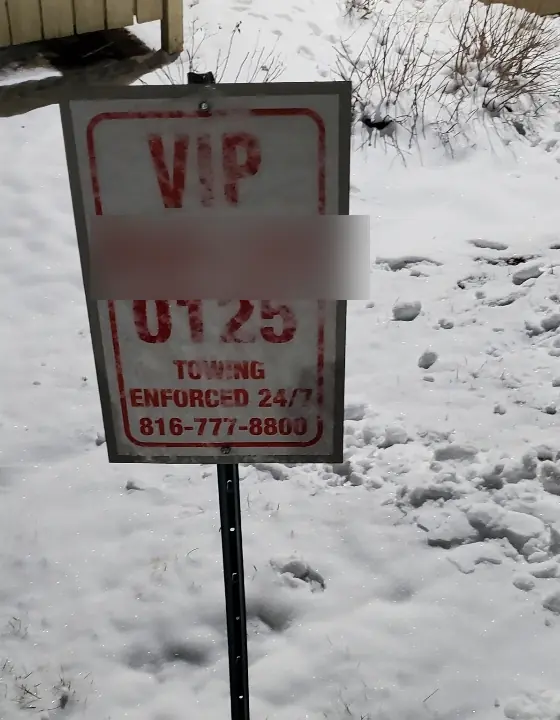 Privacy protected
How it works
Map the reserved stall or area and identify who maintains the current resident, tenant, employee, or customer assignment.
Review signs, stall numbers, permit practices, temporary vehicles, visitors, and shared or reassigned spaces.
Set the reporting path, warning choices, confirmation steps, and current property contacts before a space dispute occurs.
Use the established protected channel to confirm the location, assignment, permission, documentation, and authority for the particular request.
Best-fit properties
Decision support for managers
Use the evaluation to connect reserved-space markings with the way your team keeps permissions current. Describe the recurring issue without submitting resident or vehicle records through the public form.
Use the public form for a prospective property program. Existing managers should follow their established operating channel for active requests. PPI must confirm the circumstances and available service before accepting a removal.
Program features
Service questions
Yes. The evaluation can identify assigned, designated, and use-specific spaces.
Only contacts authorized by the property’s established process may request service. A resident report should follow that process so the space assignment, temporary permissions, and requesting person’s authority can be checked.
We can review designated-space signs and recommend placement for qualified properties.
The manager chooses whether appropriate reserved-space violations receive a warning procedure.
Clear signs, defined authorization, vehicle details, location information, and photographs create a more understandable record.
A permit may allow a vehicle to use a parking area without assigning a particular stall. A reserved-space arrangement identifies a specific stall, area, or use. The property should document which permission applies and how staff check assignments and exceptions.
Have the property’s authorized management confirm the current assignment and any temporary exception before requesting service. Use the protected operating channel for resident or vehicle records. The public evaluation form is for planning a property program, not resolving an active space dispute.
Property manager resources
Start with the property
Tell us the property city, your authorized role, the type of reserved spaces, and the recurring assignment or parking concern. PPI will review signs, permissions, warning choices, and the manager-controlled request process. Keep resident details, vehicle identifiers, access codes, and active disputes in the established protected channel.
Call 816-777-8800