Evaluate
Walk entrances, parking zones, signs, access lanes, and recurring problems.
Cleveland, MO property managers
Cleveland, MO includes a small community with rural residential, local business, and storage properties. Local managers commonly need help with stored vehicles, blocked gates, and unauthorized overnight parking. Private Party Impound helps authorized property representatives organize signage, parking rules, warnings, documentation, and removal requests around the way each property actually operates. Availability and timing depend on the request, property access, equipment, staffing, and current operations.
Looking for a towed vehicle?
This page is for property managers and authorized representatives. If your vehicle was towed from private property, use the dedicated vehicle-owner pathway for lookup, release information, and next steps.
Go to vehicle-owner help →
Property-specific planning
The property walk identifies practical sign locations and the few rules that need consistent enforcement. Private Party Impound starts by walking the property, reviewing existing signs, and documenting the rules chosen by the authorized manager.
Walk entrances, parking zones, signs, access lanes, and recurring problems.
Record the manager’s authorized contacts, warnings, restrictions, and removal process.
Confirm qualified-property signage scope and provide a tow line that accepts authorized service requests 24 hours a day. Service availability and timing depend on the request and current operations.
For authorized Cleveland representatives
A useful parking program begins with the actual entrances, lot boundaries, restricted areas, signs, recurring complaints, and people authorized to request service. During an evaluation, we can discuss the signage available for qualified properties and the operating process that best fits your residents, tenants, guests, customers, or employees.
Parking technology for authorized property managers
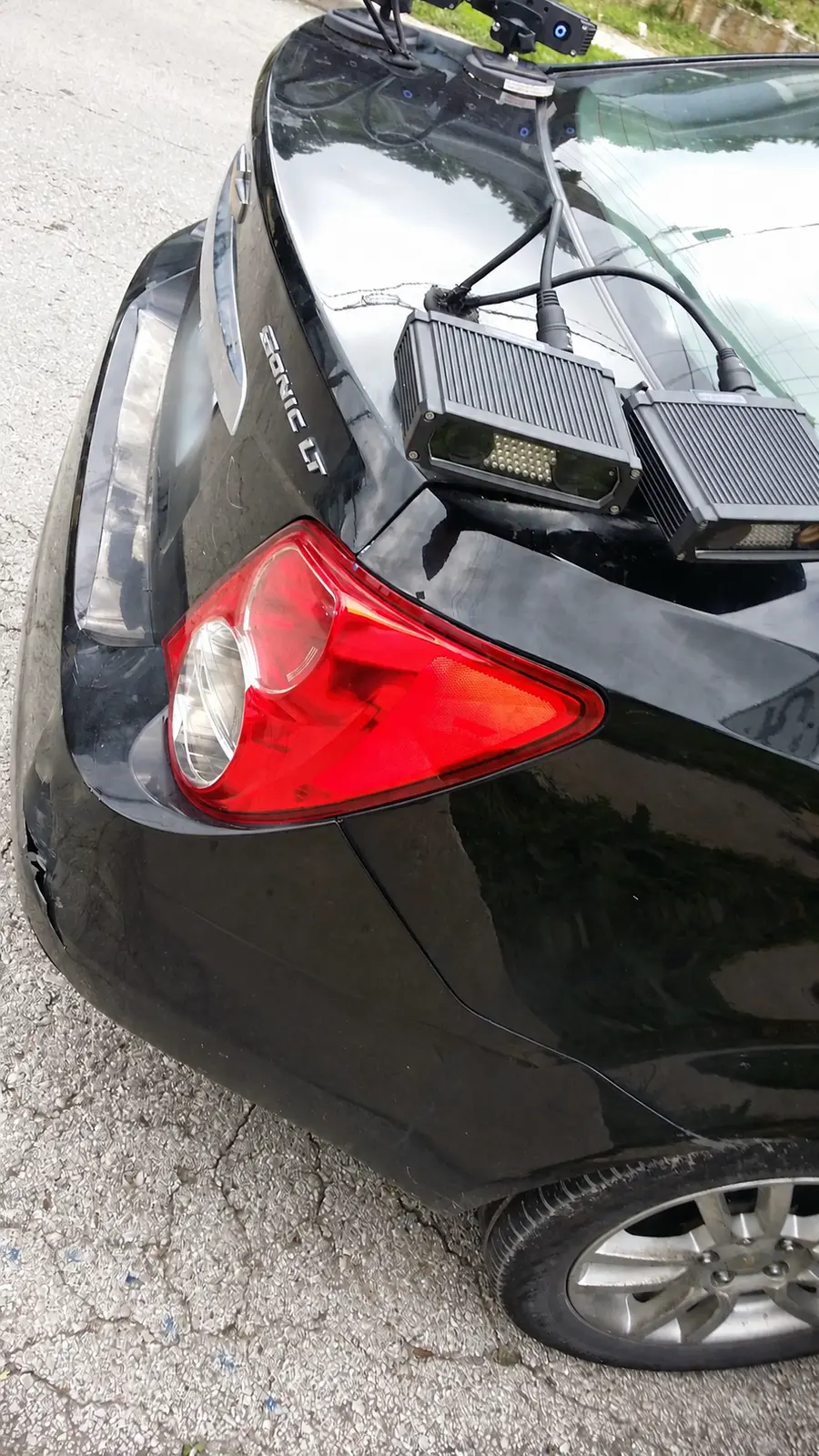
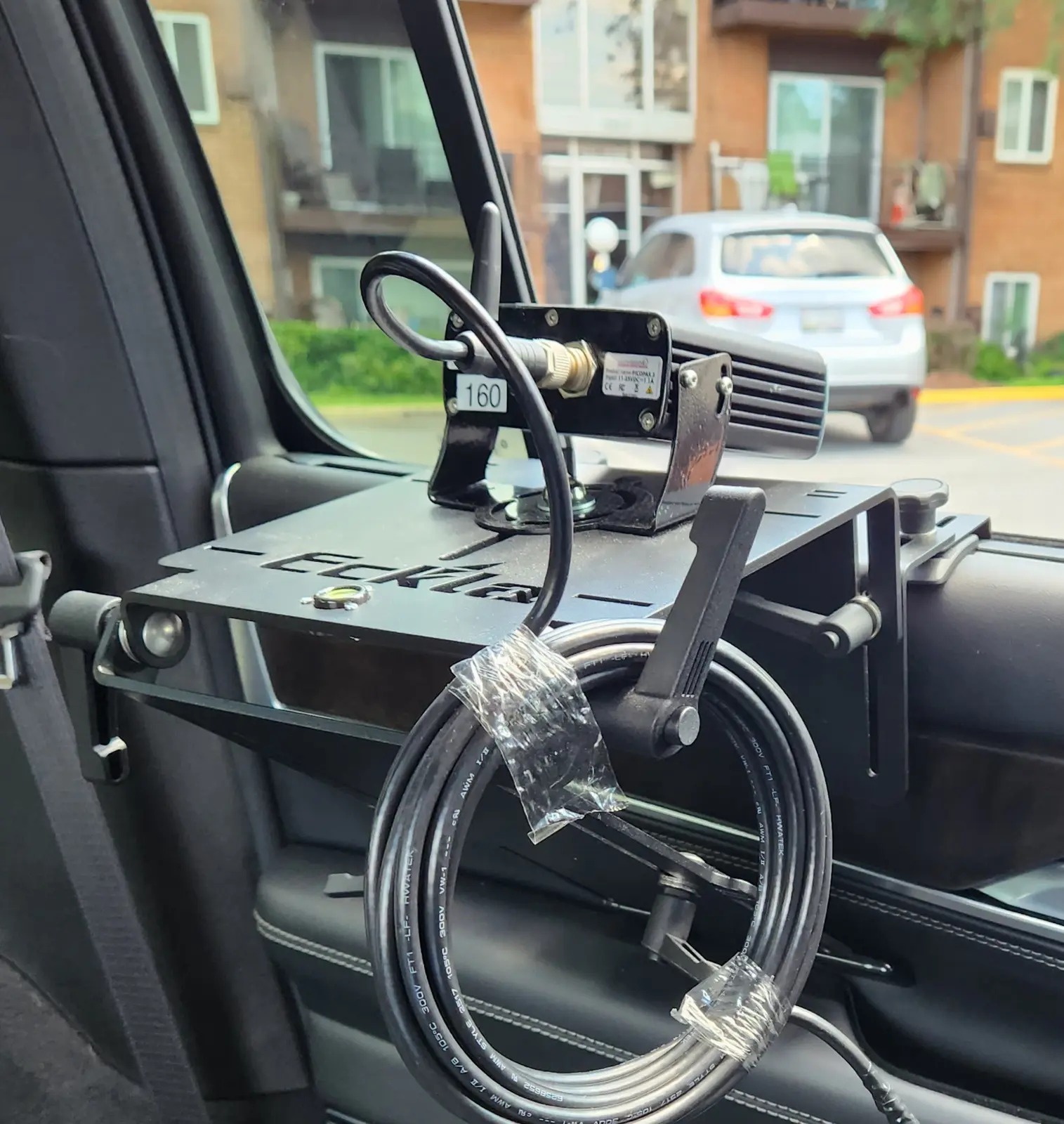
Private Party Impound makes license plate recognition (LPR) parking-management support available to qualified apartment communities, commercial properties, paid parking facilities, HOAs, and other private properties in Cleveland, MO. Through coordination with parking-management companies and security providers across greater Kansas City, PPI can help an authorized manager evaluate a vehicle-mounted LPR workflow for the property.
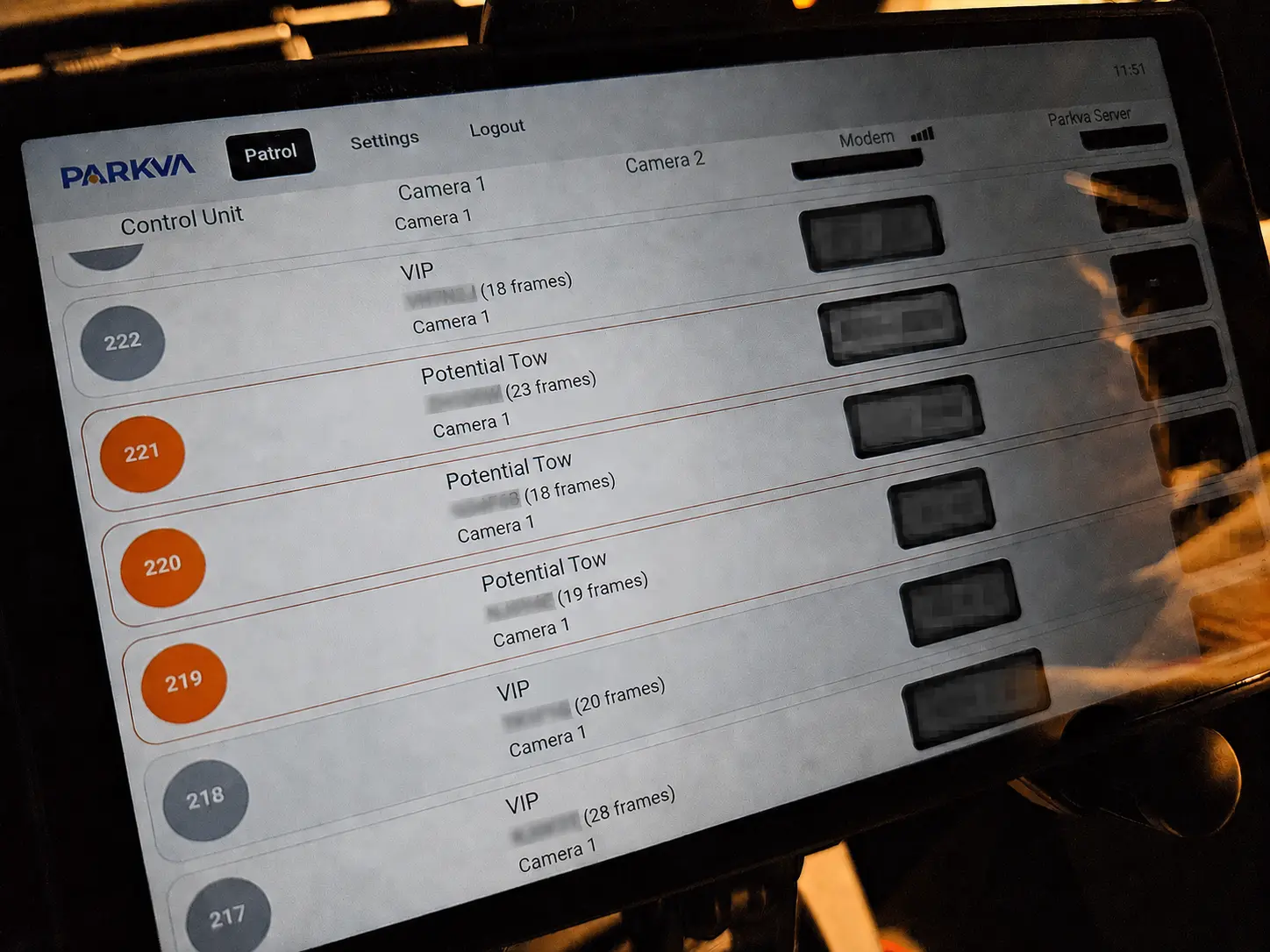
For shops, storage sites, apartments, and commercial yards in Cleveland, plate reads can support comparison with current resident, guest, tenant, employee, permit, or other approved-vehicle records. At participating paid-parking properties, plate reads can be reviewed against compatible active parking-session records. This can make recurring concerns such as stored vehicles, blocked gates, and unauthorized overnight parking easier for management to review consistently.
Support resident, tenant, guest, permit, and approved-vehicle review using the property’s current authorized records.
Review plate reads against compatible active parking-session or payment records at participating properties.
Keep warnings, exceptions, documentation, and service requests within the property’s written process.
Program boundary: A license plate read supports management review; it does not independently authorize a tow. Every program remains subject to property authority, written parking rules, system compatibility, privacy requirements, applicable requirements, and current service availability.
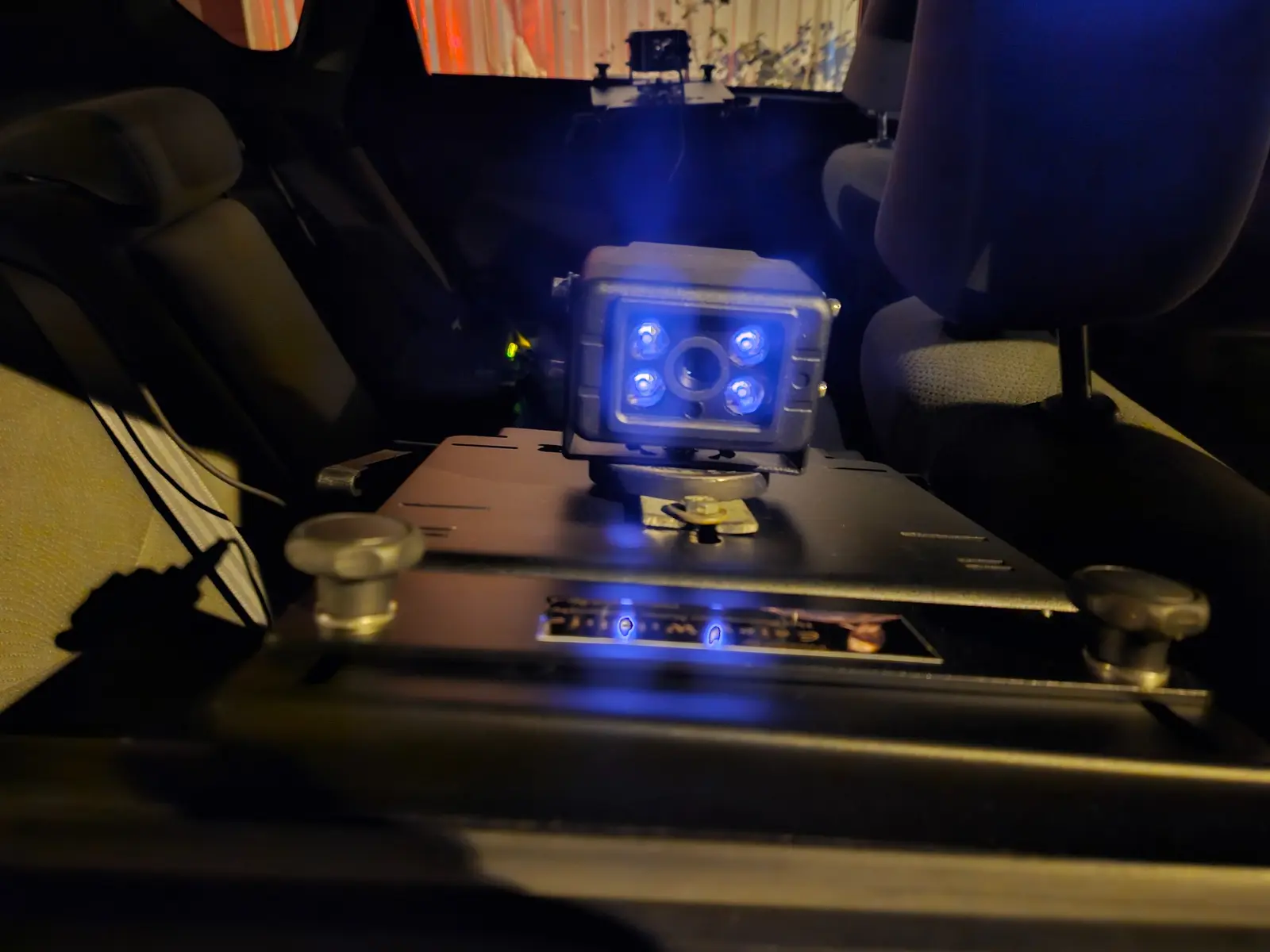
Manager decision guide for Cleveland
Cleveland properties may combine shops, storage areas, apartments, and commercial yards with different parking users and access needs.
Map commercial gates, apartment areas, customer spaces, and storage zones.
Separate blocked commercial access from resident, customer, and stored-vehicle concerns.
Confirm after-hours contacts and the documentation process.
Local planning focus
Cleveland properties may combine shops, storage areas, apartments, and commercial yards with different parking users and access needs.
Create property-specific rules for commercial gates, overnight use, stored vehicles, and resident or customer spaces.
Map commercial-yard gates, apartment areas, customer spaces, storage zones, and authorized after-hours contacts.
Can a Cleveland property use different procedures for a blocked commercial gate and an abandoned vehicle?
Any service remains subject to property authority, posted rules, the written process, applicable law, access, equipment, staffing, and current operations.
Cleveland towing FAQ
We begin with a free evaluation of the Cleveland property. The manager identifies the parking rules, warning preferences, and authorized contacts. We then recommend sign placement and provide documented service when an authorized removal is requested.
After evaluation, qualified contracted Cleveland properties may receive designated towing signs and standard installation at no charge. Eligibility, sign type, quantity, placement, ownership, replacement, and any nonstandard work are confirmed in writing before service begins.
Yes. The property’s authorized manager or representative establishes the rules, approved contacts, warning procedures, and removal authorization process.
Yes. Private Party Impound can evaluate qualified Cleveland properties for mobile license plate recognition parking management, including authorized-vehicle review for apartments and compatible paid-parking verification. Availability depends on the property, its written parking rules, system compatibility, privacy requirements, and current operations. A plate read supports management review and does not independently authorize a tow.
Services available in Cleveland
Local manager playbook
The property walk identifies practical sign locations and the few rules that need consistent enforcement. The property evaluation translates those conditions into a clear, manager-controlled process for Cleveland.
The property walk identifies practical sign locations and the few rules that need consistent enforcement.
During the free evaluation, those local priorities are translated into property boundaries, sign placement, authorized contacts, warning choices, and reviewable documentation. The goal is a process that employees can follow consistently and property managers can adjust as parking demand changes.
Separate resident, guest, permit, reserved-space, fire-lane, and abandoned-vehicle procedures so staff and residents understand how each situation is handled.
Protect customer parking and delivery access while defining how employee, overnight, event, and neighboring-property spillover should be addressed.
Map entrances, loading areas, access lanes, tenant spaces, visitor zones, and low-clearance areas before signage or enforcement begins.
Connected service areas
Each property is evaluated on its own rules, access, signage, authorization, and operational needs. These links make the full service-area network easy for managers and search engines to browse.
Serving qualified Kansas City-area properties across Missouri and Kansas.